RobberyBossTraderVIP

vip
Futures Trading Strategist
Market Analyst
Crypto Market Researcher
No content yet
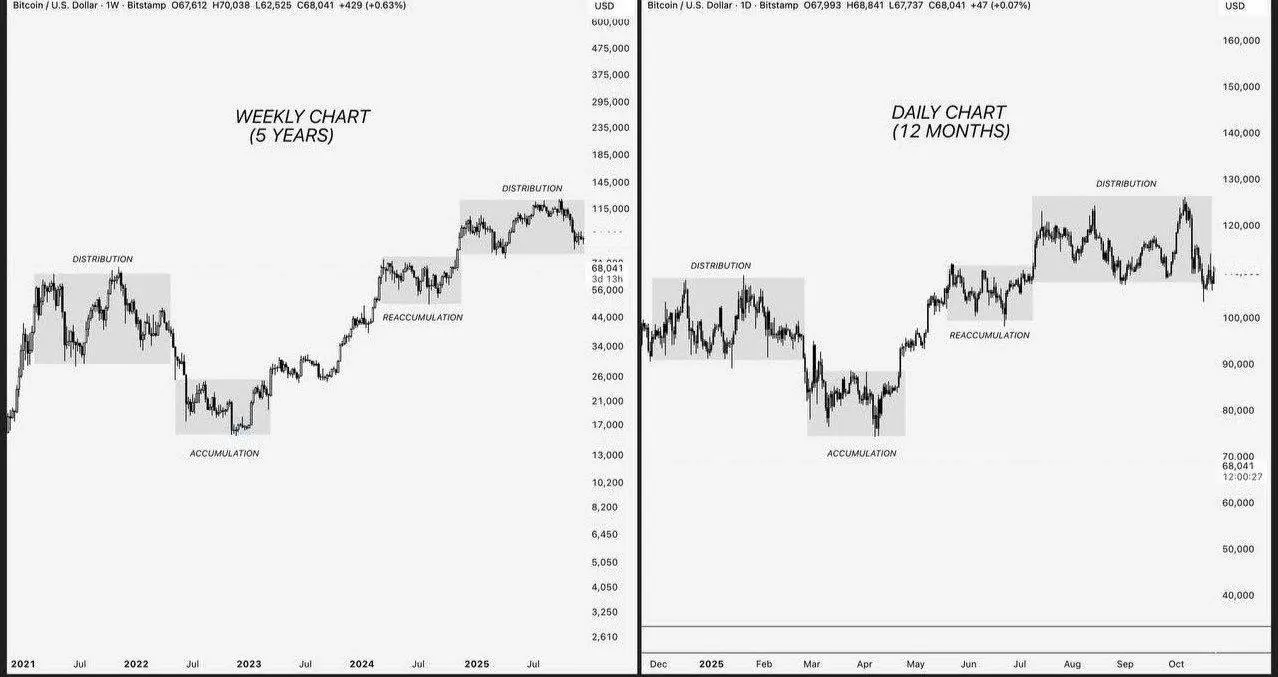
The same cycle, different levels.
Today, let's look at the chart from a different perspective. After watching, you will never go back.
On the left: a 5-year weekly chart.
On the right: a 12-month daily chart.
Different time frames.
Different price levels.
But the underlying logic is exactly the same.
Distribution → Dispersal → Absorbing Funds → Ramping Up → Absorbing Funds Again → Dispersal Again.
This is not Bitcoin's "magic."
This is the structural law of financial markets that has operated for over a hundred years: stocks, commodities, fiat currency, and cryptocurrencies—without exc
BTC-0,02%
View Original
post-image
[The user has shared his/her trading data. Go to the App to view more.]
  • Reward
  • Comment
  • Repost
  • Share
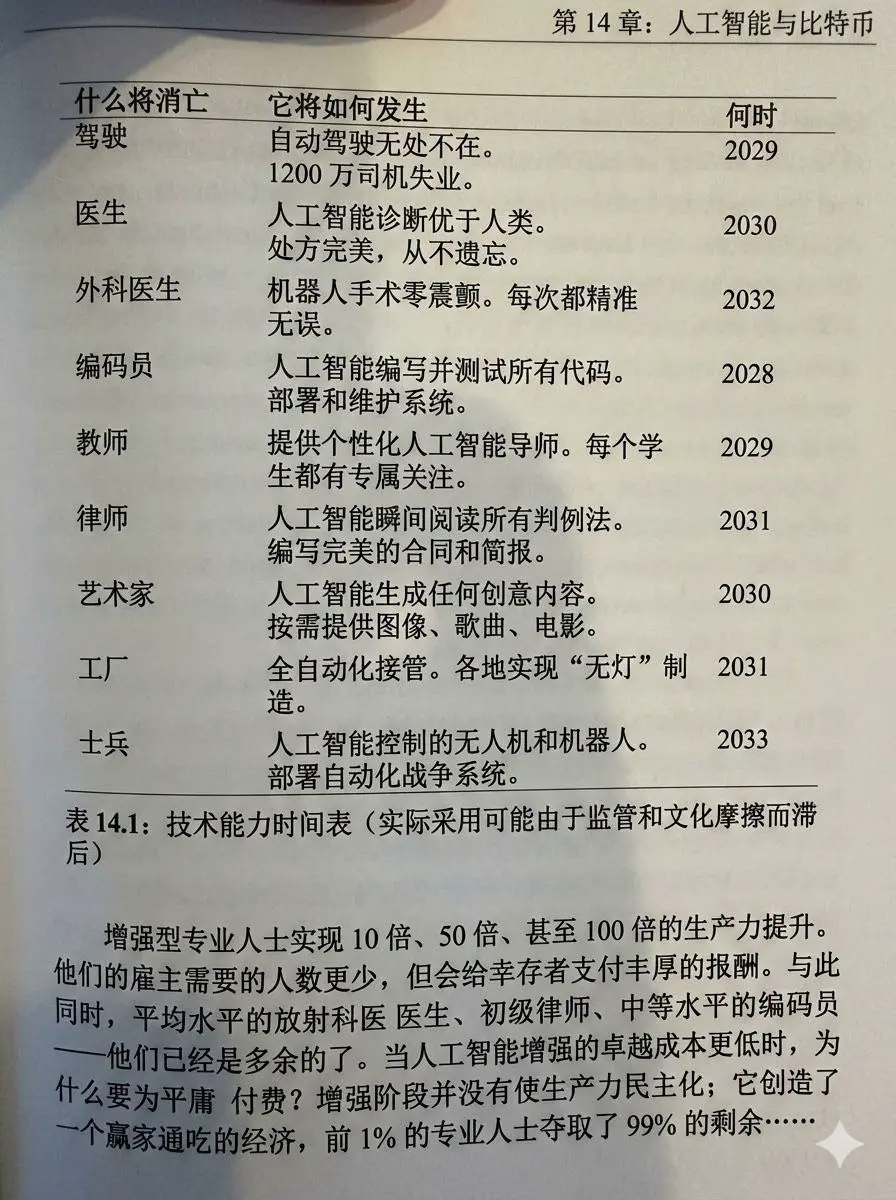
Artificial intelligence will not replace your job. It will eliminate mediocrity.
Look at this chart.
2028 – 2033.
Drivers. Programmers. Doctors. Lawyers. Teachers. Factory workers. Artists. Even soldiers.
The logic is simple:
AI outperforms humans in specific functions → scaling → cost reduction →淘汰 middle layers.
But here’s a key point.
It’s not that “everyone will lose their jobs.”
It’s that the market will no longer pay for “average” performance.
When AI writes code faster and tests with zero errors, why should it pay ordinary programmers high salaries?
When AI can read all case law in seco
BTC-0,02%
View Original
post-image
[The user has shared his/her trading data. Go to the App to view more.]
  • Reward
  • Comment
  • Repost
  • Share
#Training
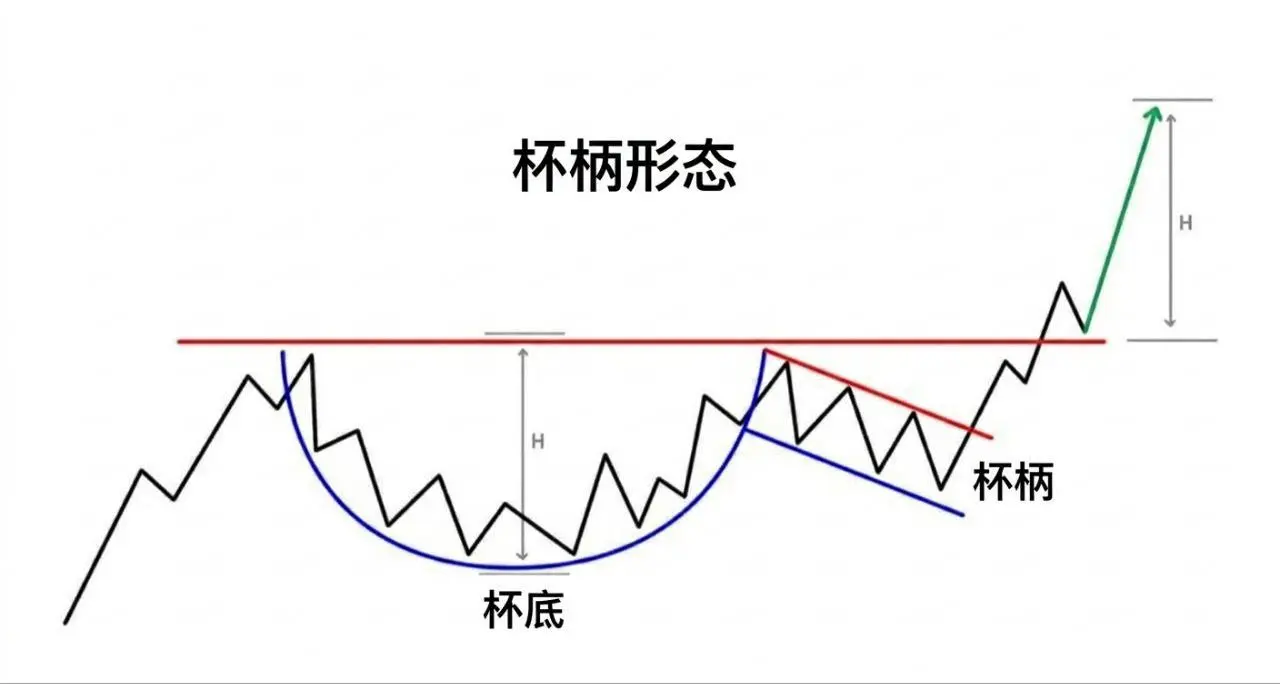
The cup and handle pattern indicates a continuation of the bullish trend and is a signal to go long.
Pattern formation: Appears after a sharp price increase and multiple large bullish candles.
Cup part: Entering a phase of battle between bulls and bears, with the low point first declining then rising, forming an arc. The high point remains mostly flat.
Handle part: After the cup part forms, the bears attempt to suppress the price, creating the handle structure. If the bulls' strength is dominant, the upward trend will continue.
Inverted cup and handle pattern
Forms during a downtrend
View Original
post-image
[The user has shared his/her trading data. Go to the App to view more.]
  • Reward
  • Comment
  • Repost
  • Share
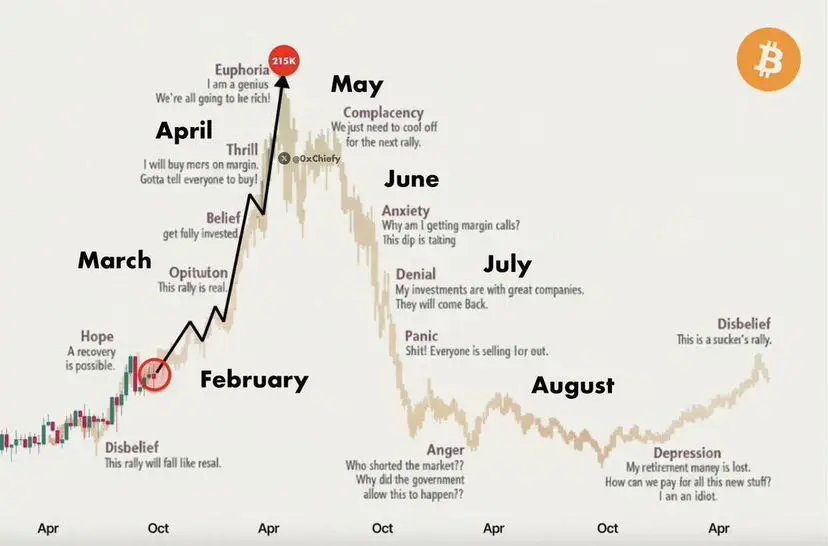
On Twitter, forecast roadmap for the 2026 bull market:
February → Bear trap
March → Bitcoin breaks upward
April → Altcoin season
May → Sets a new all-time high near $215k
June → Bull trap
July → Chain reaction liquidations
August → Bear market begins
BTC-0,02%
View Original
post-image
[The user has shared his/her trading data. Go to the App to view more.]
  • Reward
  • Comment
  • Repost
  • Share
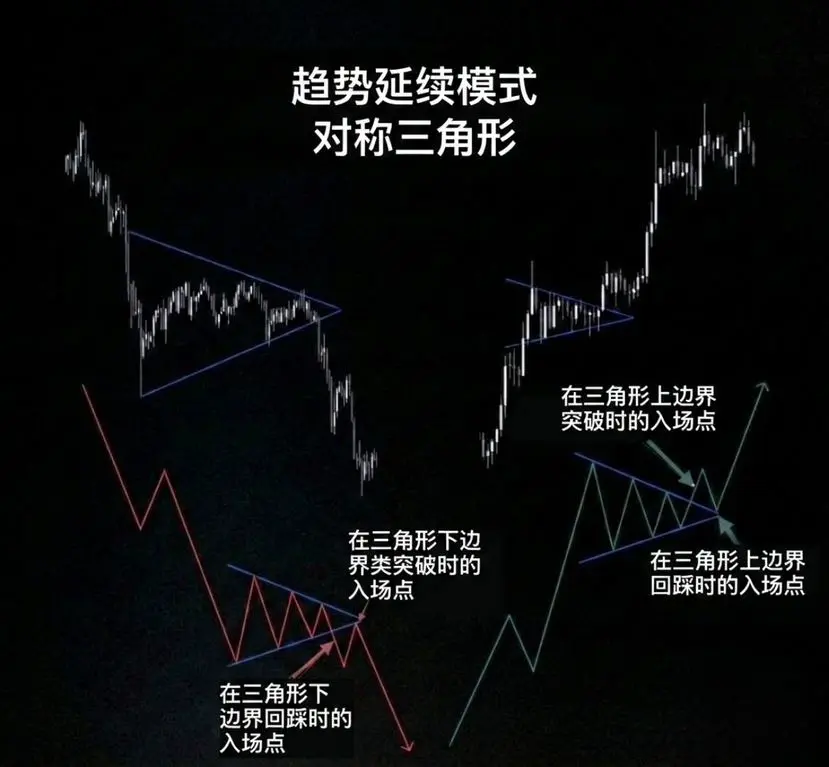
A symmetrical triangle is a chart pattern characterized by higher lows and lower highs, with two trendlines converging at the same angle. This pattern is typically used as a trend continuation signal. The formation of a symmetrical triangle indicates that market volatility has been compressed over a period of time, suggesting an imminent trend reversal.
Technical features of the "symmetrical triangle" pattern
- A clear trend must exist before the triangle forms to determine the subsequent direction
- At least 4 touches: 2 on the dynamic support line (ascending) and 2 on the dynamic resistance
View Original
post-image
[The user has shared his/her trading data. Go to the App to view more.]
  • Reward
  • Comment
  • Repost
  • Share
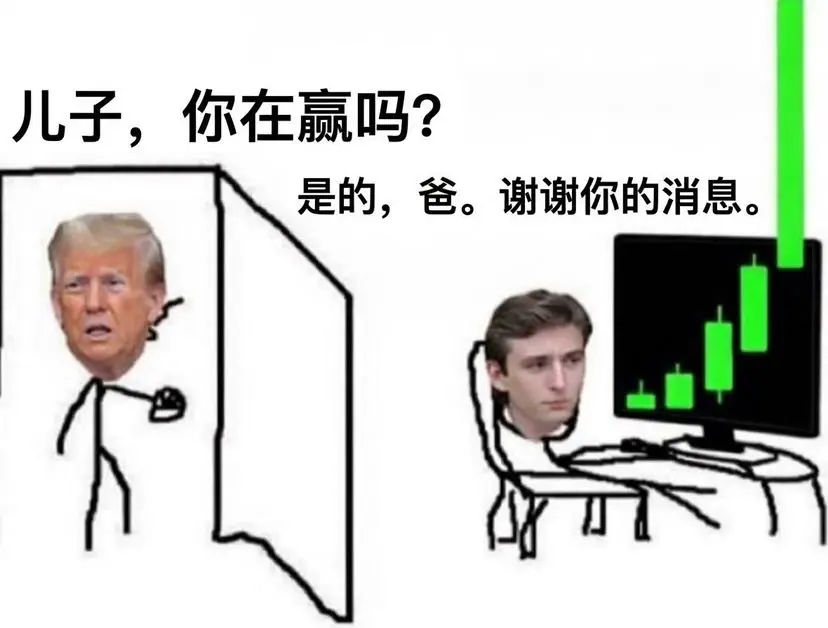
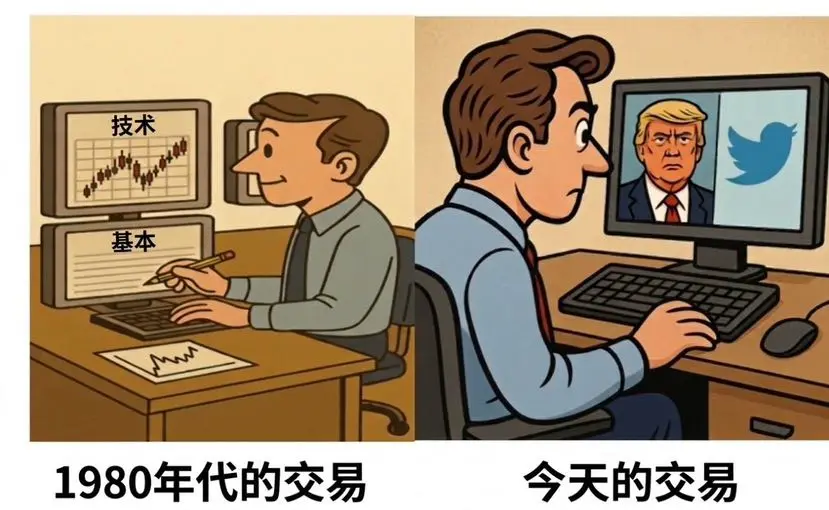
Trump and cryptocurrency are two sides of the same coin
Everyone is talking about Trump and Bitcoin. But few can view these two sides objectively.
Today, let's do an in-depth analysis
Why is Trump beneficial to cryptocurrencies?
Top-level pro-crypto remarks
Trump publicly claims to be a supporter of Bitcoin, promising to make the U.S. the "world's crypto capital," and has signed a series of executive orders favorable to the industry. This creates a positive narrative atmosphere, attracting institutional capital inflows.
Regulatory pressure eased
During Biden's administration, the SEC (U.S. Sec
BTC-0,02%
View Original
post-image
post-image
[The user has shared his/her trading data. Go to the App to view more.]
  • Reward
  • Comment
  • Repost
  • Share
#培训
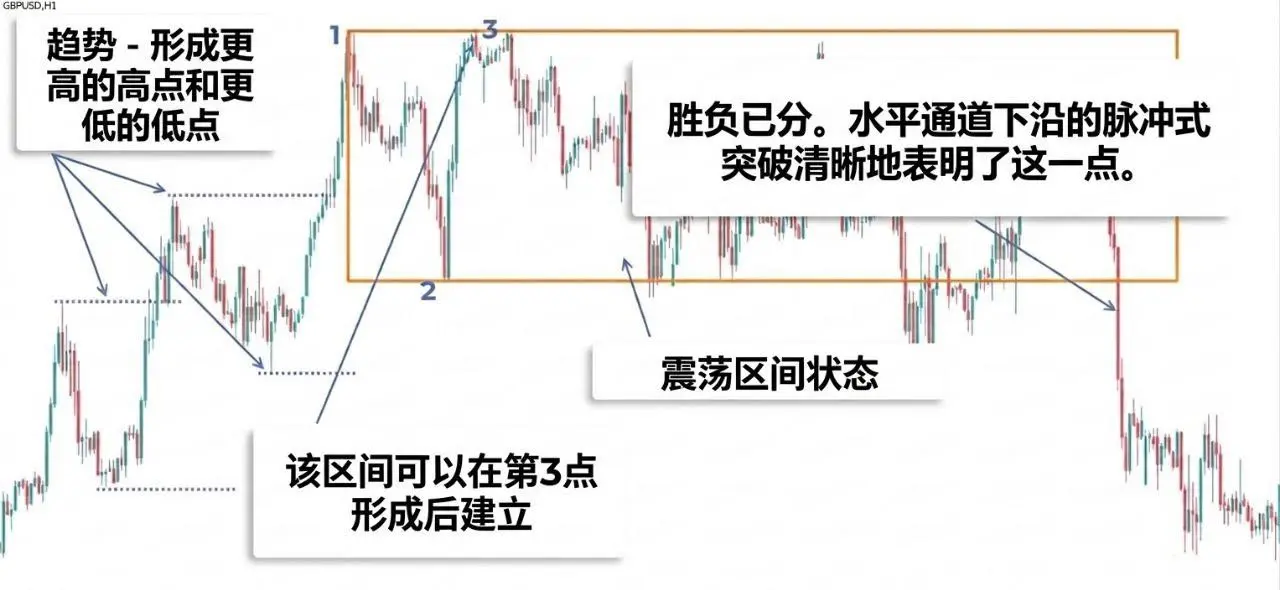
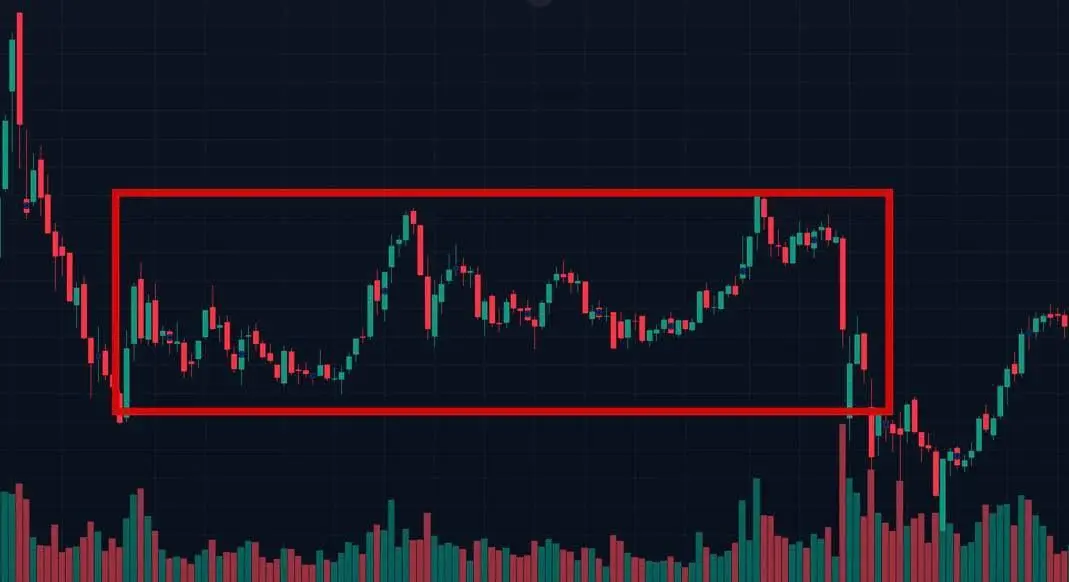
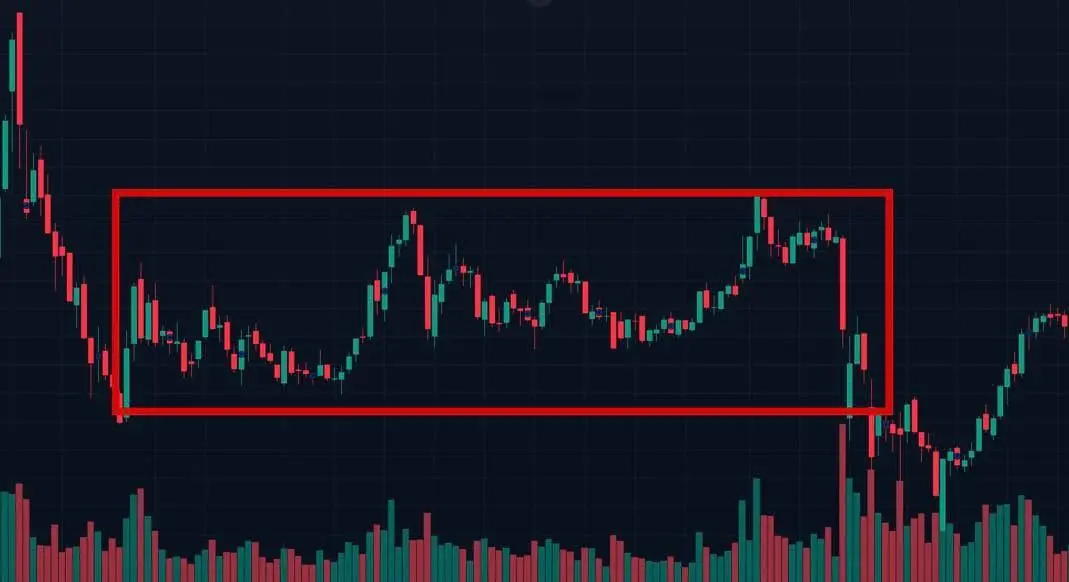
Sideways consolidation—also known as a ranging market—refers to a situation in which neither the bulls nor the bears can decide the outcome. At this time, the bullish and bearish forces are basically equal, the market has no clear directional movement, and the price chart is being held between the support level and the resistance level.
Any ranging market will not last forever. Sooner or later, a winner will be determined, which can be confirmed by observing a breakout of the price beyond a certain boundary. These breakout moments also often create good entry points.
Formation stage of a
View Original
post-image
post-image
[The user has shared his/her trading data. Go to the App to view more.]
  • Reward
  • Comment
  • Repost
  • Share
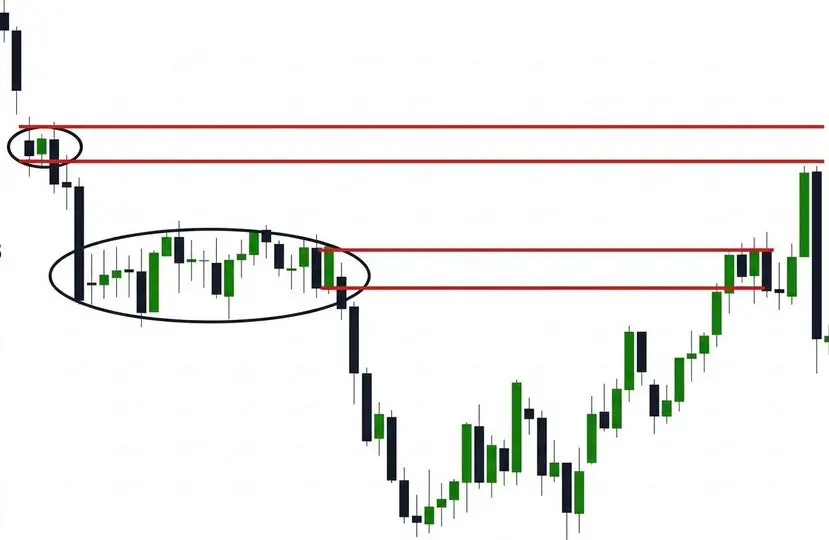
Imbalance (disorder) in financial markets means that either the buyer or the seller side dominates the trade, indicating a discrepancy between supply and demand.
The existence of imbalance drives price movement. Additionally, even the smallest price change is a reflection of imbalance.
When at the current position on the price chart, the number of buy or sell orders exceeds the order volume of the opposing side (which is the essence of imbalance), they will be executed through the opposing orders at the next price level.
The price then begins to shift.
This situation will continue unti
View Original
post-image
[The user has shared his/her trading data. Go to the App to view more.]
  • Reward
  • Comment
  • Repost
  • Share
Survivor Bias
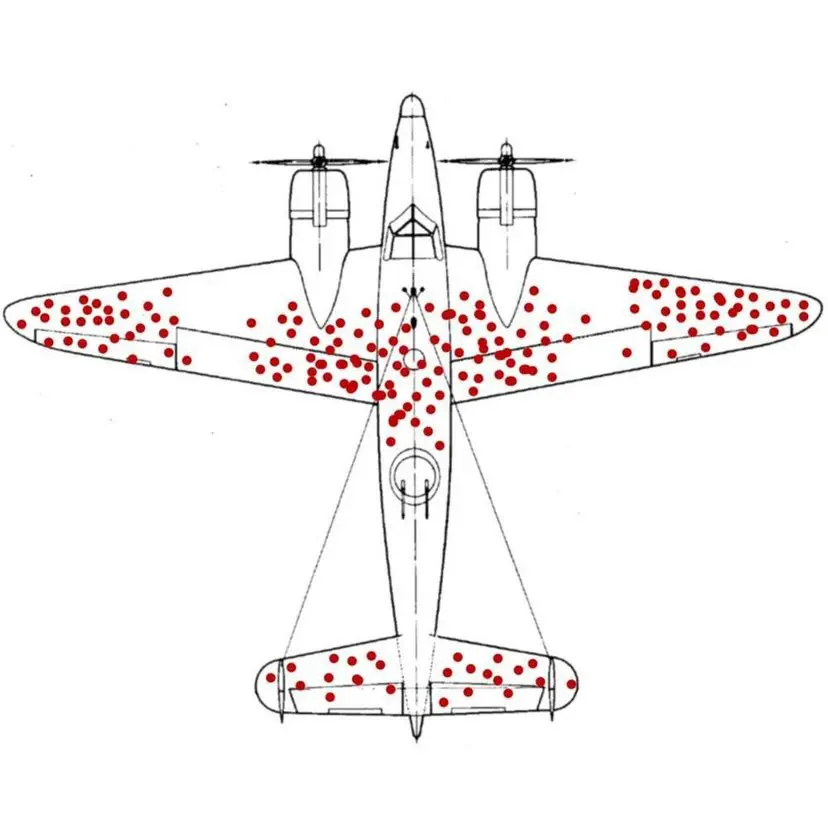
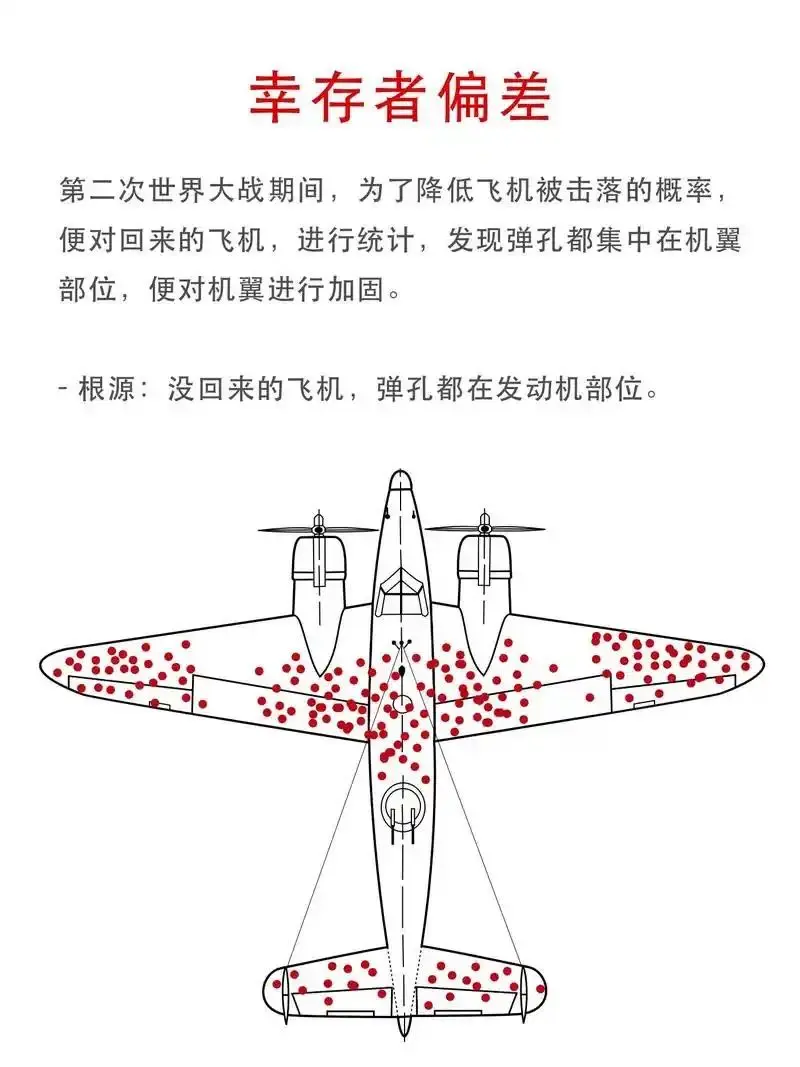
In statistics, there is a concept called “survivor bias,” which refers to researchers only focusing on the common traits of “survivors” while ignoring information from those who “failed.”
A classic example is during World War II, when mathematician Abraham Wald was tasked with studying how to reinforce the armor of British bombers. On the aircraft returning from missions, bullet holes were mainly concentrated in the wings and the tail, but Wald believed that the cockpit and fuel tanks should be reinforced, because bombers that were hit in those areas never even made it back.
The
SHIB-1,81%
View Original
post-image
post-image
[The user has shared his/her trading data. Go to the App to view more.]
  • Reward
  • Comment
  • Repost
  • Share
#Trading Tutorial
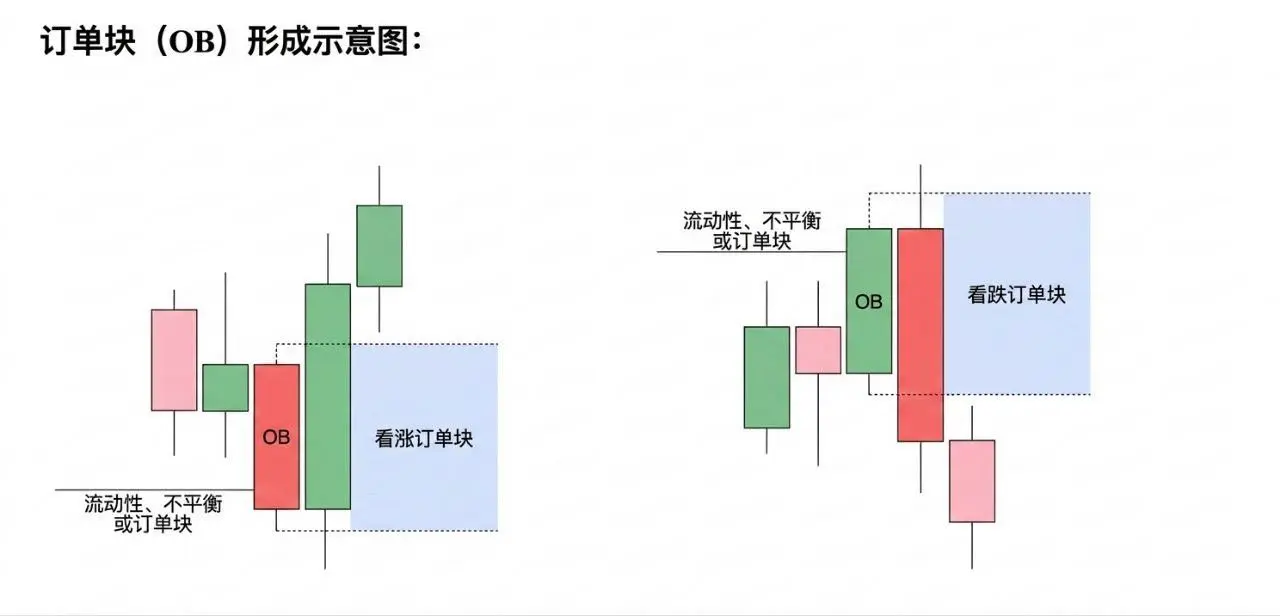
Continuing our teaching theme, today we will talk about order blocks (Order Block)!
Order blocks are divided into two types:
1) Bullish order block: A bearish candlestick (or multiple candlesticks) testing a key level, followed by a candlestick (or candlestick pattern) that strongly engulfs the order block.
2) Bearish order block: A bullish candlestick (or multiple candlesticks) testing a key level, followed by a candlestick (or candlestick pattern) that strongly engulfs the order block.
View Original
post-image
[The user has shared his/her trading data. Go to the App to view more.]
  • Reward
  • Comment
  • Repost
  • Share
#科普
A sideways market (or consolidation phase) is a market condition in which (any type of) asset prices do not have a clear upward or downward trend.
They fluctuate within a narrow or wide range, which is easily recognizable by the naked eye on a chart.
Consolidation occurs when most investors agree on the current asset price, and there is no obvious upward or downward driving force.
View Original
post-image
[The user has shared his/her trading data. Go to the App to view more.]
  • Reward
  • Comment
  • Repost
  • Share
#培训
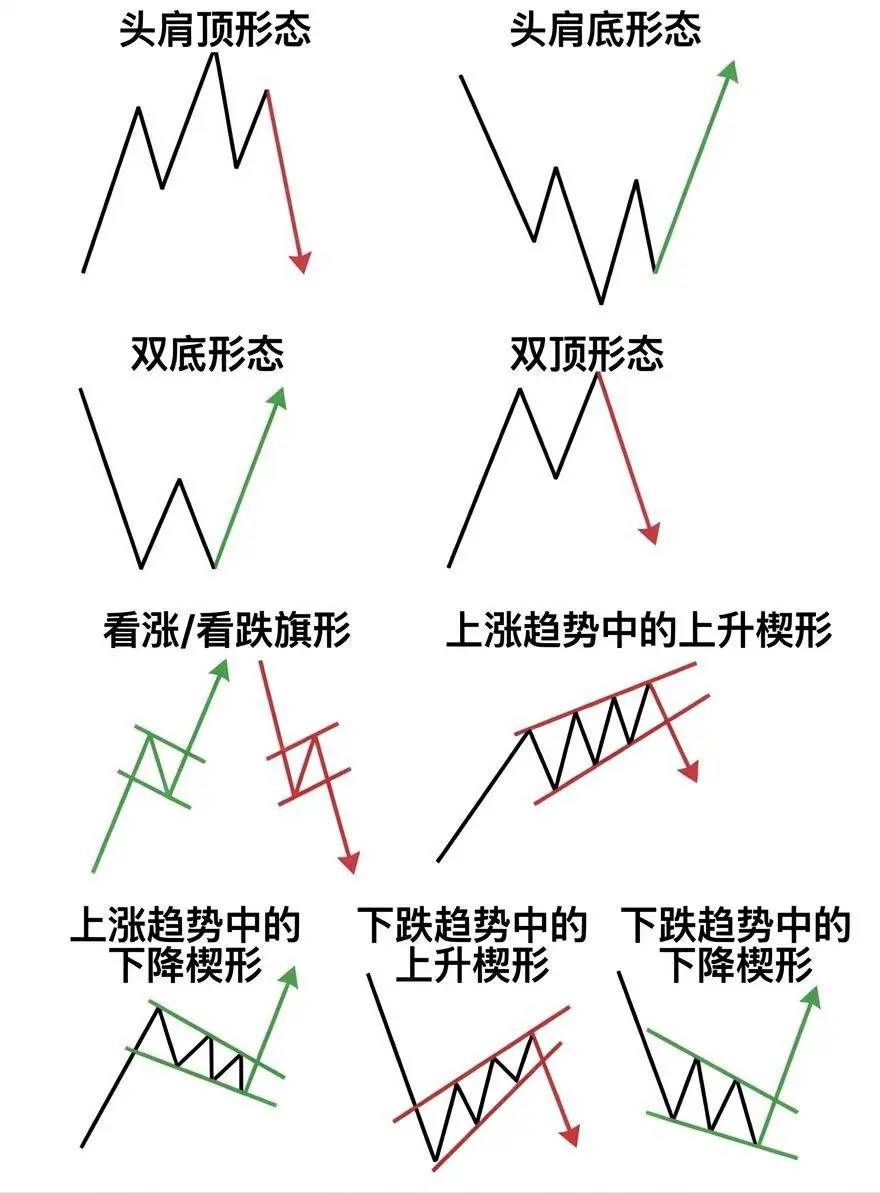
I’ve compiled a series of classic reversal pattern trading charts for everyone. Recommended to save for future reference when making trading decisions.
View Original
post-image
[The user has shared his/her trading data. Go to the App to view more.]
  • Reward
  • Comment
  • Repost
  • Share
#Training
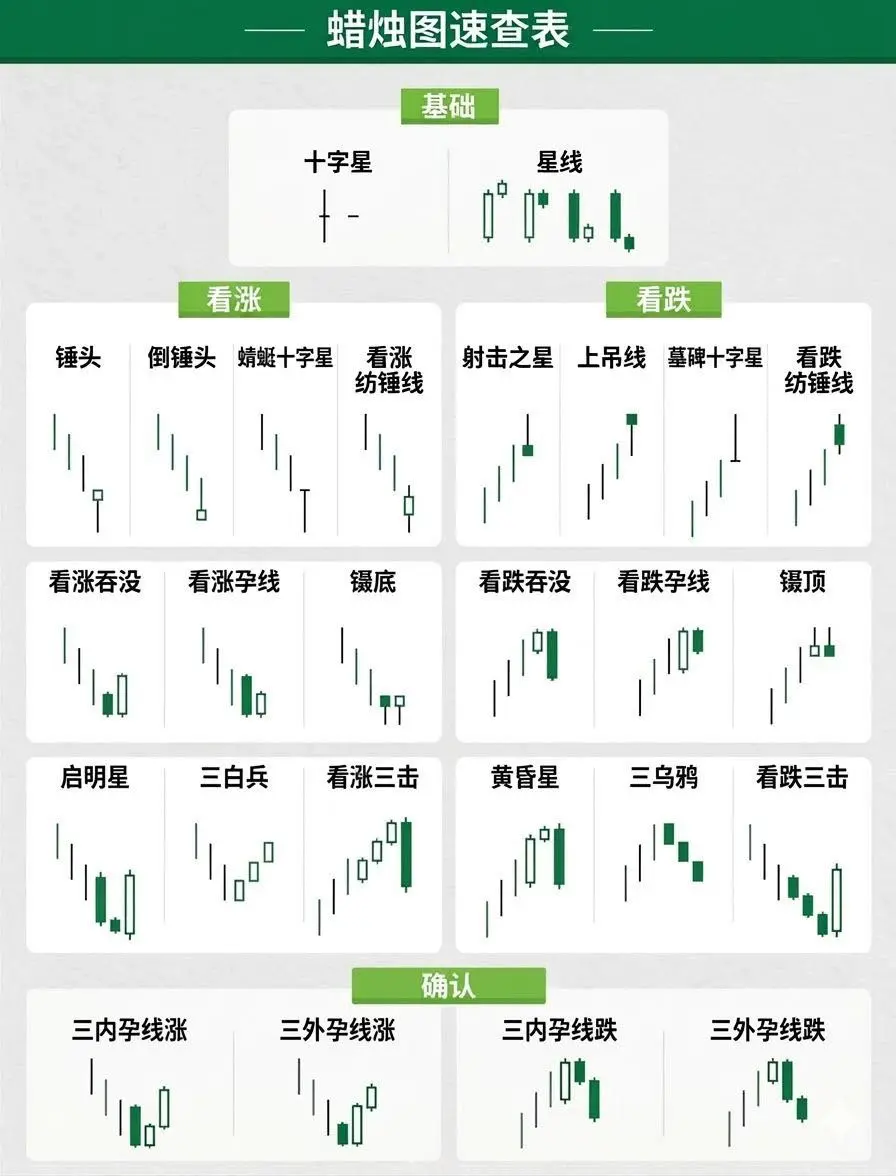
Sharing with you some candlestick chart trading patterns, recommended for bookmarking and reference.
View Original
post-image
[The user has shared his/her trading data. Go to the App to view more.]
  • Reward
  • Comment
  • Repost
  • Share
#教学
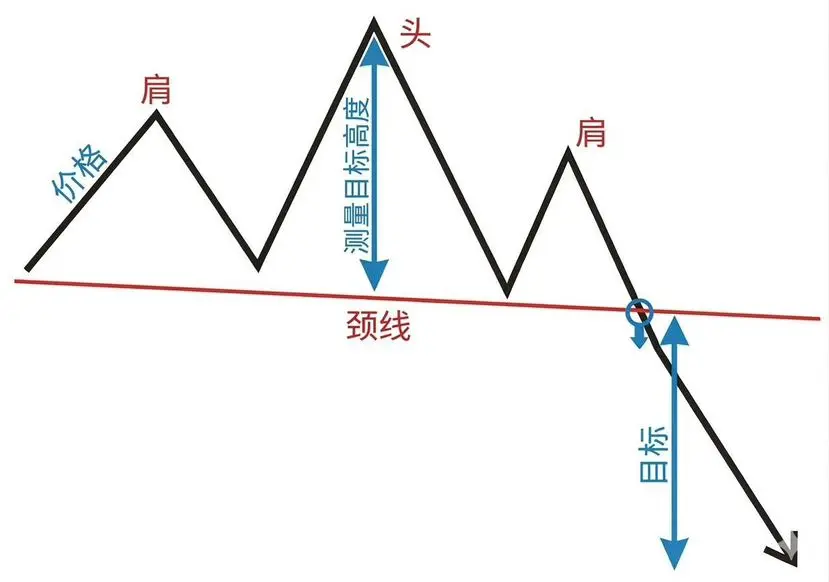
The head and shoulders is a reversal pattern. The name of this chart pattern comes from its visual features, appearing as two shoulders with a head in the middle. The head and shoulders pattern forms as a top is created on the chart. Subsequently, the price creates a second top, which is higher than the first top. After that, a third top is formed, but it is lower than the second top and roughly at the same level as the first top.
View Original
post-image
[The user has shared his/her trading data. Go to the App to view more.]
  • Reward
  • Comment
  • Repost
  • Share
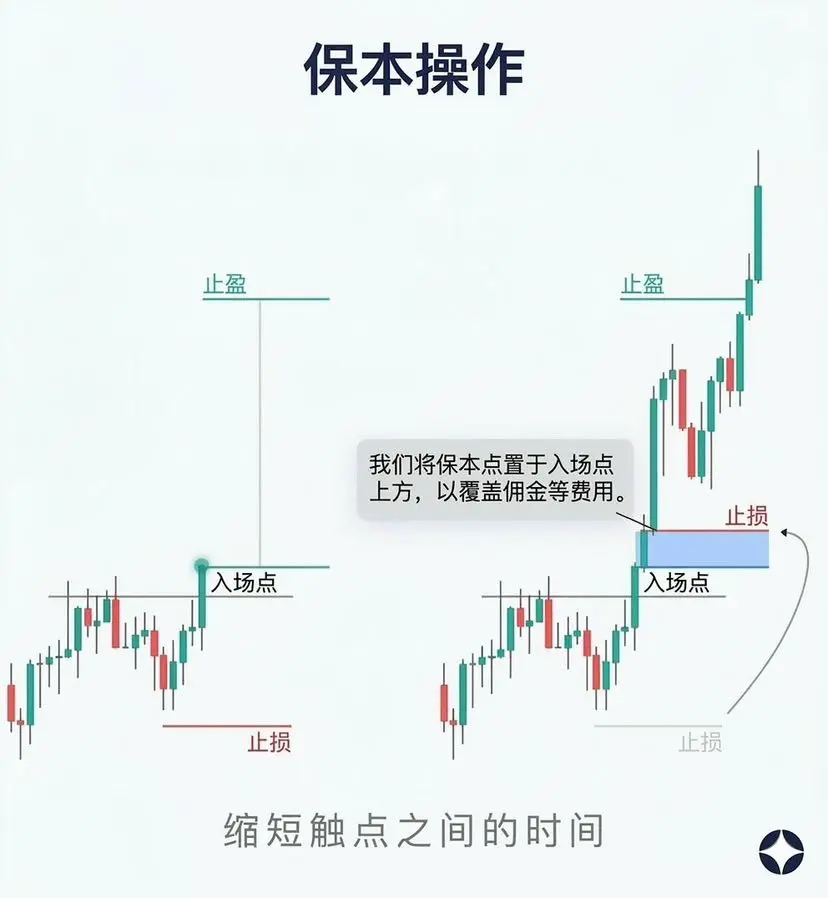
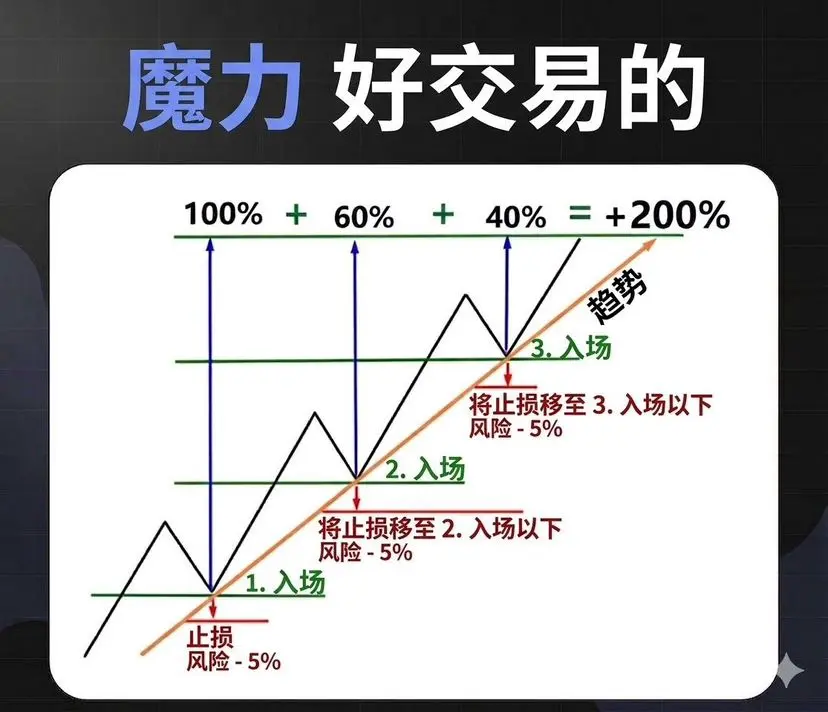
When should you set your trade to break-even point?
Stop-loss should only be moved in the direction of the trade, never against the opening position (because this increases risk).

A rule must be in place within the trading system to move the trade to the break-even point. For long positions, the stop-loss should be moved above the entry point by a few points (or for short positions, moved below the entry point by a few points).

The benefit of doing this is that if the price suddenly moves against our position and returns to the entry point, we can close the trade without loss, and even cov
View Original
post-image
post-image
[The user has shared his/her trading data. Go to the App to view more.]
  • Reward
  • Comment
  • Repost
  • Share
#Training
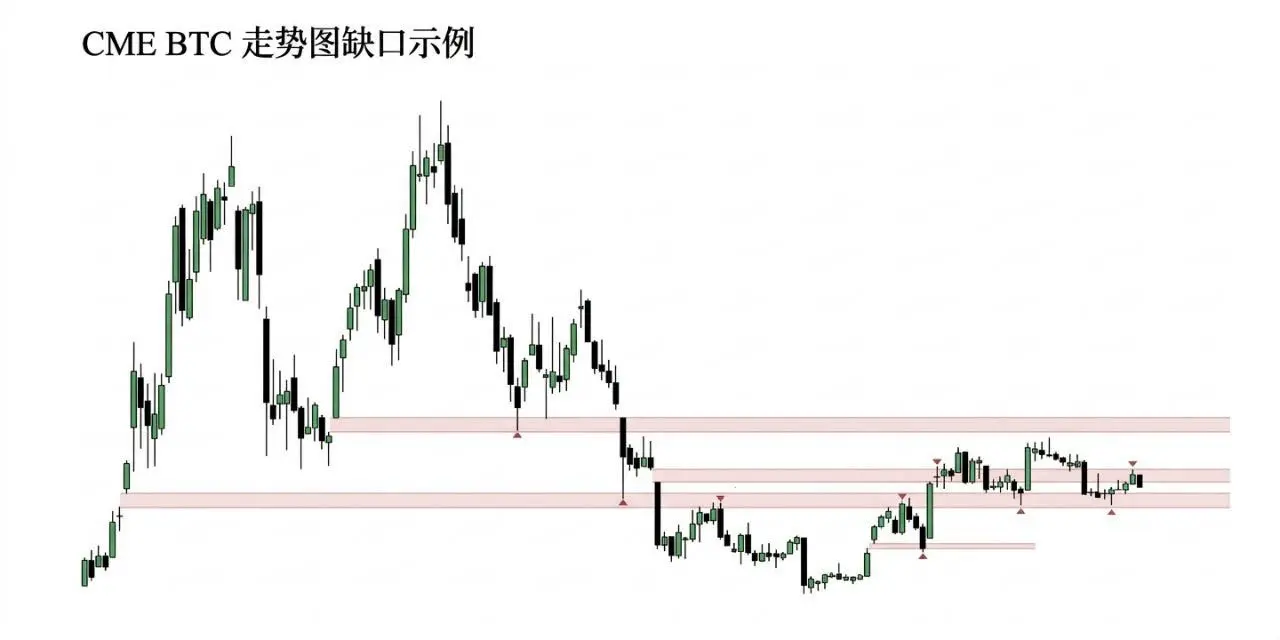
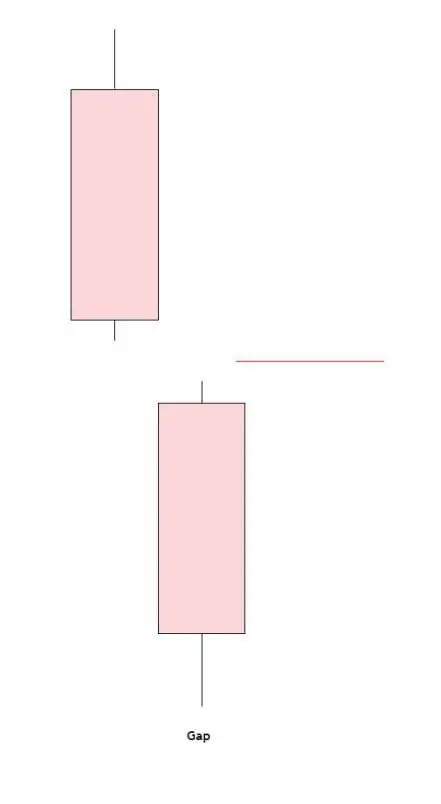
Gap— refers to the blank area that appears instantly on the chart when the current quote differs from the previous quote by a few points. It usually occurs during major macroeconomic data releases, sudden economic or political events, force majeure situations, as well as when markets open after weekends or holidays.
Gaps are represented as blank spaces between two candlesticks, extending from the shadow or body of the previous candlestick to the shadow or body of the next candlestick. Candlesticks can be of any pattern, whether bullish or bearish.
View Original
post-image
post-image
[The user has shared his/her trading data. Go to the App to view more.]
  • Reward
  • Comment
  • Repost
  • Share
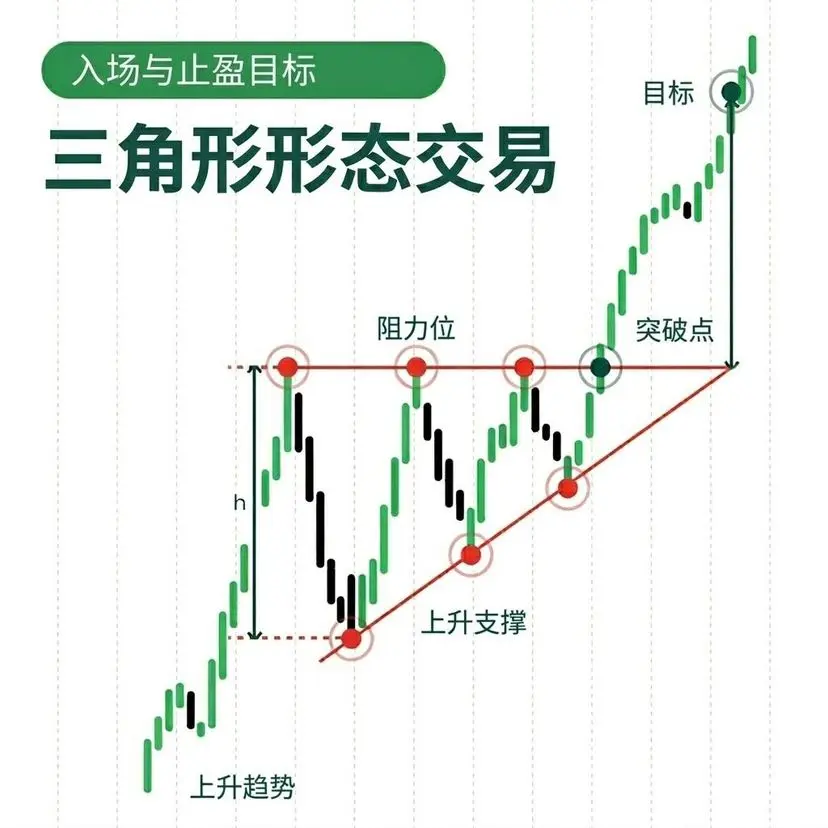
Ascending Triangle
An ascending triangle typically indicates the continuation of an upward trend, suggesting a strong bullish breakout may occur in the near future. Here are the key points for identifying and trading this pattern:
Pattern Recognition
Look for a horizontal resistance line at the top, along with an upward trendline connecting progressively higher lows. This indicates buyers are gradually accumulating strength, attempting to break through the resistance level.
Waiting for a Breakout
Patience is key. Wait for the candlestick's closing price to break above the resistance line, whic
View Original
post-image
[The user has shared his/her trading data. Go to the App to view more.]
  • Reward
  • Comment
  • Repost
  • Share
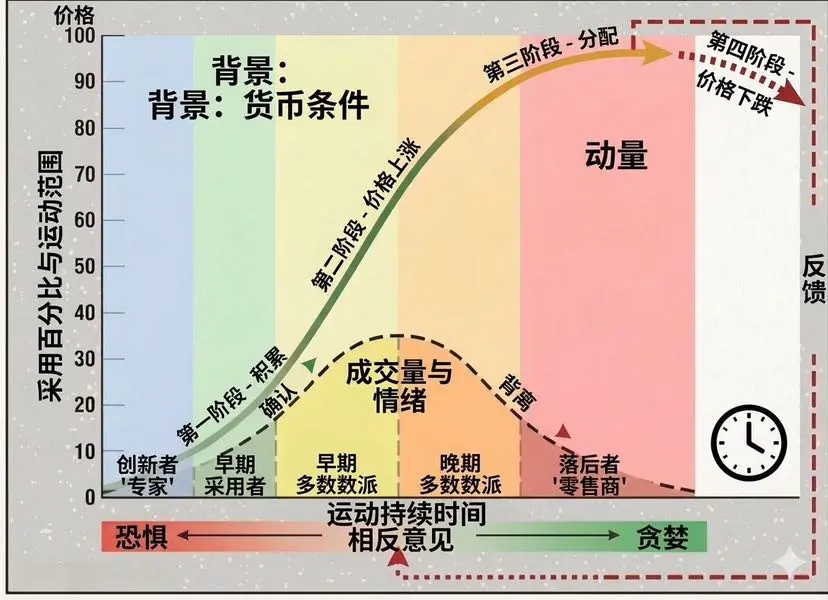
Why do so many people lose money trading cryptocurrencies? The answer lies here.
Each cycle begins with doubt.
Then comes confirmation,
followed by explosion,
and finally greed.
In the crypto market, the biggest opportunities often appear during times of panic, low trading volume, and widespread lack of confidence.
It is precisely in this stage that "smart money" quietly positions itself, long before most people feel secure like they do now.
And the worst decisions usually happen in the later stages, when the trend seems unstoppable, market sentiment is in frenzy, and everyone suddenly
View Original
post-image
post-image
[The user has shared his/her trading data. Go to the App to view more.]
  • Reward
  • Comment
  • Repost
  • Share
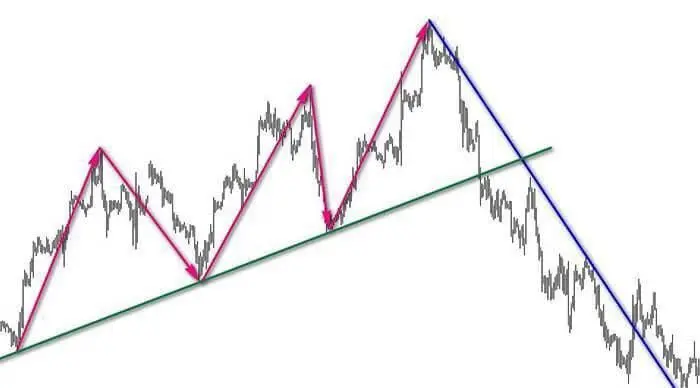
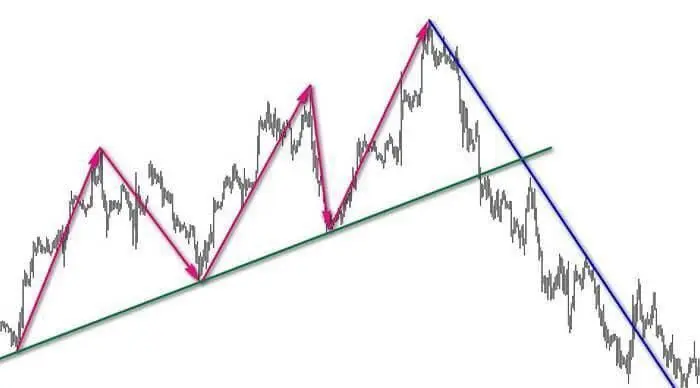
Today I want to share with you a rarely discussed pattern that can become a powerful tool for your market analysis.
The "Three Indian" pattern helps you catch potential trend reversals. Let's look at its logic and usage; it's worth paying attention to.
What is the "Three Indian"?
This pattern consists of three consecutive highs (or lows), each subsequent high/low being lower (in a downtrend, each is higher). It often appears on charts before a trend reversal.
How to identify it?
First Indian: Price touches a high (or low) and then pulls back slightly.
Second Indian: The next high/low i
View Original
post-image
[The user has shared his/her trading data. Go to the App to view more.]
  • Reward
  • Comment
  • Repost
  • Share
#培训
A doji candlestick is a special type of K-line pattern that indicates neither the buyers (bulls) nor the sellers (bears) have an absolute dominance in the market. This pattern is not very common, but sometimes both bulls and bears can become deadlocked.
The upper and lower shadows of a doji candlestick can be quite long, indicating significant intraday price fluctuations. Patterns like the "Long-Legged Doji" or the "Gravestone Doji" convey different market signals. To understand these signals, you need to look not only at the doji itself but also at the preceding and following candlestick
View Original
post-image
[The user has shared his/her trading data. Go to the App to view more.]
  • Reward
  • Comment
  • Repost
  • Share
  • Pin