









What Crypto Investors Should Actually Watch
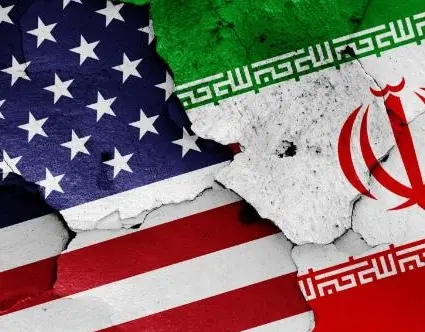
Recent Middle East tensions have pushed risk pricing back to the top of global markets. The Strait of Hormuz is again the focal point because 20 percent of the world's oil flows through it.
Claims of a total closure are circulating, but the reality is more nuanced. There is no official UN-recognized blockade, there is a de facto risk environment created by military statements and actions.
What we know on 19 April 2026
Iran's Revolutionary Guard announced on Saturday 18 April that the strait is closed again and will remain so until the US lifts its naval blockade on Iranian ports.
At least two commercial vessels were fired on near Oman after the announcement, US officials are tracking three separate Iranian attacks in the waterway.
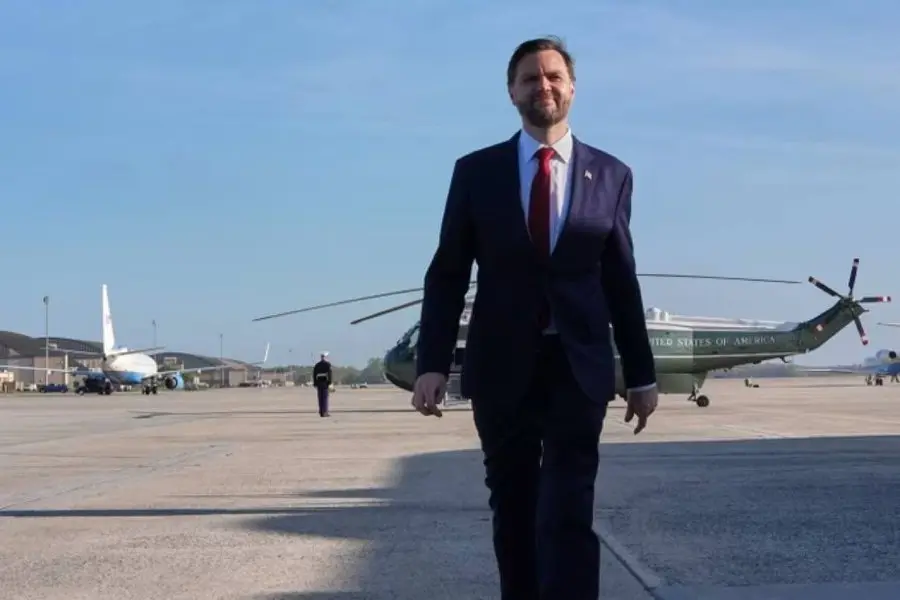
President Trump convened a White House Situation Room meeting the same morning with Vice President Vance, Secretary of State Rubio, Defense Secretary Hegseth, Special Envoy Witkoff, CIA Director Ratcliffe, Joint Chiefs Chairman Caine and Chief of Staff Wiles.
Trump responded publicly, "They wanted to close up the strait again... They can't blackmail us," while saying talks are ongoing and more information would come by end of day.
The US military is preparing in coming days to board Iran-linked oil tankers and seize commercial ships in international waters, according to officials cited by the Wall Street Journal.
Israel carried out precise strikes in southern Lebanon, accusing Hezbollah of violating ceasefire understandings, adding a second front to the risk map.
Tanker tracking data shows delays and U-turns, not a physical wall across the strait. Insurance war-risk premiums have jumped, which is why flows are slowing even without a formal closure.
Energy market: fast moves, real positioning
Oil is pricing headlines in minutes. After Iran's foreign minister said on 17 April the strait would reopen, WTI fell toward 85 dollars and Brent toward 89 dollars. The 18 April reversal pushed futures back up.
Market chatter about "hundreds of millions in shorts opened in 21 minutes" has no verifiable exchange data. What is verifiable is that volatility spiked, open interest rose, and major players repositioned around news, not around confirmed supply cuts.
This matters because markets price the reaction function, not just the event.
Why oil still drives crypto narratives
The oil to crypto link is indirect but consistent:
Higher sustained oil, higher inflation expectations, tighter Fed policy for longer
Tighter policy, lower liquidity, pressure on risk assets in the short term
Prolonged energy stress, renewed interest in non-sovereign stores of value over the medium term
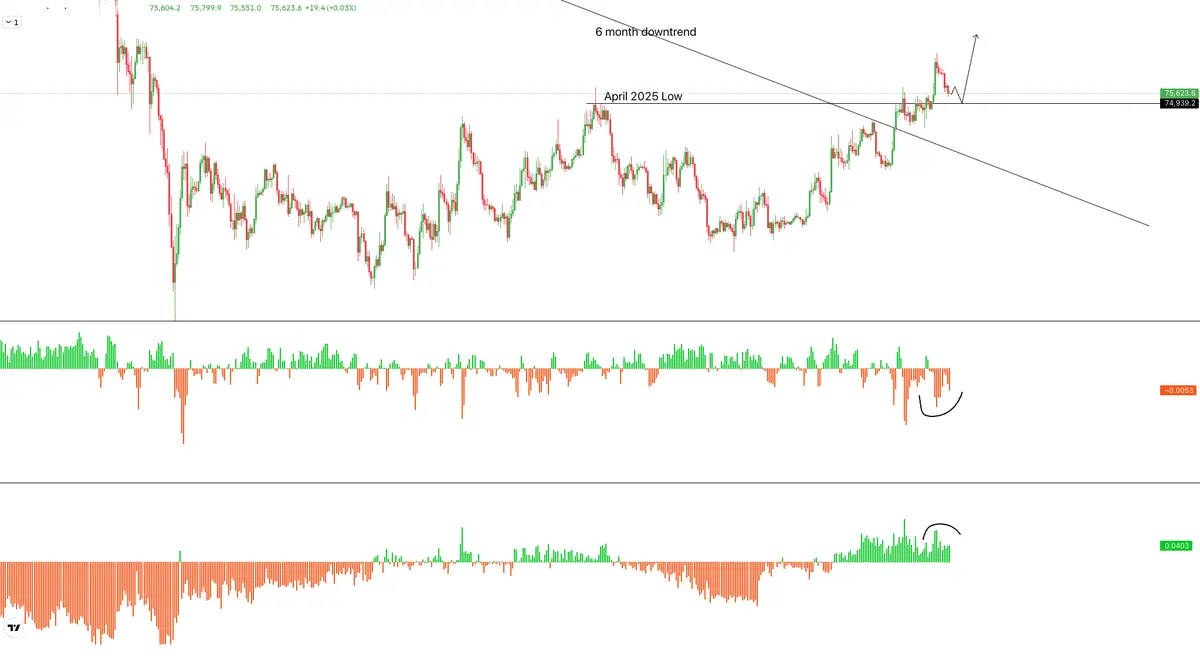
Bitcoin has historically traded as a high-beta risk asset first, and as an inflation hedge second. In 2022, Brent above 100 preceded a crypto drawdown, then a narrative recovery. Today, with US spot ETFs and corporate treasuries holding BTC, the downside beta is lower but the correlation to the Nasdaq and DXY remains dominant in crisis hours.
US-Iran dynamics: controlled tension, not full war
US side:
Maximum pressure at sea plus diplomacy in parallel
Asset buildup in CENTCOM area, Apache helicopters operating around Hormuz
Legal framework shifting toward global interdiction of Iran-linked tankers
Iran side:
Public emphasis on "full control" of Hormuz
Limited kinetic actions against shipping to raise costs without triggering Article 5 scenarios
Diplomatic channel open via Oman and Pakistan, with a second round discussed for Islamabad
Both sides are signaling resolve while avoiding an uncontrollable escalation. That is the definition of controlled tension.
Four indicators that beat headlines
For crypto investors, watch data, not rumors:
Oil direction and term structure. Brent holding above 95 with backwardation deepening signals real supply fear.
Maritime flow. Daily transits through Hormuz, AIS dark fleet activity, and war-risk insurance quotes.
US military actions. Actual boardings or seizures, not just statements. First confirmed interdiction will be a market event.
Crypto internals. Stablecoin total supply changes on Tron and Ethereum, perpetual funding rates, and spot ETF flows. These lead price during geopolitical stress.
Three scenarios for the next 72 hours
Risk aversion with flight to quality
If tanker interdictions begin and oil spikes, expect initial selling across risk, including BTC and ETH. Stablecoin demand rises, funding turns negative, and Bitcoin dominance increases. This is a liquidity shock, not a thesis change.
Liquidity pressure across the board
If the US broadens seizures globally and Iran responds with mine deployments or wider harassment, VIX jumps, DXY rallies, and crypto sees correlated drawdowns. Historically, these episodes last 48 to 96 hours before mean reversion if no direct US-Iran clash occurs.
Decoupling toward store of value
If diplomacy produces a temporary Hormuz reopening and oil retraces quickly, risk rebounds. In that window, Bitcoin benefits from the "energy crisis hedge" narrative, especially if stablecoin supply continues to expand, indicating fresh fiat onramps.
How to use this
Treat news as a volatility trigger, treat data as direction. The strait is not hermetically sealed, but risk premia are real and rising.
Reduce leverage into weekend gaps. Geopolitical headlines hit when liquidity is thin.
Keep a simple dashboard: Brent price, Hormuz daily transits, US CENTCOM statements, stablecoin net mints, BTC perpetual funding. When three of five align, the probability of a sustained move rises.
The current picture is high uncertainty with elevated risk, not a confirmed energy crisis. In such periods, markets price perception first and fundamentals second. For crypto, the edge is not speed, it is filtering noise and acting on verifiable flows.
This note is for information only and is not financial advice.
$BTC $XAUUSD $XTIUSD #US-IranTalksVSTroopBuildup
#CryptoCommunity
#GateSquare
#CreatorCarnival
Recent Middle East tensions have pushed risk pricing back to the top of global markets. The Strait of Hormuz is again the focal point because 20 percent of the world's oil flows through it.
Claims of a total closure are circulating, but the reality is more nuanced. There is no official UN-recognized blockade, there is a de facto risk environment created by military statements and actions.
What we know on 19 April 2026
Iran's Revolutionary Guard announced on Saturday 18 April that the strait is closed again and will remain so until the US lifts its naval blockade on Iranian ports.
At least two commercial vessels were fired on near Oman after the announcement, US officials are tracking three separate Iranian attacks in the waterway.
President Trump convened a White House Situation Room meeting the same morning with Vice President Vance, Secretary of State Rubio, Defense Secretary Hegseth, Special Envoy Witkoff, CIA Director Ratcliffe, Joint Chiefs Chairman Caine and Chief of Staff Wiles.
Trump responded publicly, "They wanted to close up the strait again... They can't blackmail us," while saying talks are ongoing and more information would come by end of day.
The US military is preparing in coming days to board Iran-linked oil tankers and seize commercial ships in international waters, according to officials cited by the Wall Street Journal.
Israel carried out precise strikes in southern Lebanon, accusing Hezbollah of violating ceasefire understandings, adding a second front to the risk map.
Tanker tracking data shows delays and U-turns, not a physical wall across the strait. Insurance war-risk premiums have jumped, which is why flows are slowing even without a formal closure.
Energy market: fast moves, real positioning
Oil is pricing headlines in minutes. After Iran's foreign minister said on 17 April the strait would reopen, WTI fell toward 85 dollars and Brent toward 89 dollars. The 18 April reversal pushed futures back up.
Market chatter about "hundreds of millions in shorts opened in 21 minutes" has no verifiable exchange data. What is verifiable is that volatility spiked, open interest rose, and major players repositioned around news, not around confirmed supply cuts.
This matters because markets price the reaction function, not just the event.
Why oil still drives crypto narratives
The oil to crypto link is indirect but consistent:
Higher sustained oil, higher inflation expectations, tighter Fed policy for longer
Tighter policy, lower liquidity, pressure on risk assets in the short term
Prolonged energy stress, renewed interest in non-sovereign stores of value over the medium term
Bitcoin has historically traded as a high-beta risk asset first, and as an inflation hedge second. In 2022, Brent above 100 preceded a crypto drawdown, then a narrative recovery. Today, with US spot ETFs and corporate treasuries holding BTC, the downside beta is lower but the correlation to the Nasdaq and DXY remains dominant in crisis hours.
US-Iran dynamics: controlled tension, not full war
US side:
Maximum pressure at sea plus diplomacy in parallel
Asset buildup in CENTCOM area, Apache helicopters operating around Hormuz
Legal framework shifting toward global interdiction of Iran-linked tankers
Iran side:
Public emphasis on "full control" of Hormuz
Limited kinetic actions against shipping to raise costs without triggering Article 5 scenarios
Diplomatic channel open via Oman and Pakistan, with a second round discussed for Islamabad
Both sides are signaling resolve while avoiding an uncontrollable escalation. That is the definition of controlled tension.
Four indicators that beat headlines
For crypto investors, watch data, not rumors:
Oil direction and term structure. Brent holding above 95 with backwardation deepening signals real supply fear.
Maritime flow. Daily transits through Hormuz, AIS dark fleet activity, and war-risk insurance quotes.
US military actions. Actual boardings or seizures, not just statements. First confirmed interdiction will be a market event.
Crypto internals. Stablecoin total supply changes on Tron and Ethereum, perpetual funding rates, and spot ETF flows. These lead price during geopolitical stress.
Three scenarios for the next 72 hours
Risk aversion with flight to quality
If tanker interdictions begin and oil spikes, expect initial selling across risk, including BTC and ETH. Stablecoin demand rises, funding turns negative, and Bitcoin dominance increases. This is a liquidity shock, not a thesis change.
Liquidity pressure across the board
If the US broadens seizures globally and Iran responds with mine deployments or wider harassment, VIX jumps, DXY rallies, and crypto sees correlated drawdowns. Historically, these episodes last 48 to 96 hours before mean reversion if no direct US-Iran clash occurs.
Decoupling toward store of value
If diplomacy produces a temporary Hormuz reopening and oil retraces quickly, risk rebounds. In that window, Bitcoin benefits from the "energy crisis hedge" narrative, especially if stablecoin supply continues to expand, indicating fresh fiat onramps.
How to use this
Treat news as a volatility trigger, treat data as direction. The strait is not hermetically sealed, but risk premia are real and rising.
Reduce leverage into weekend gaps. Geopolitical headlines hit when liquidity is thin.
Keep a simple dashboard: Brent price, Hormuz daily transits, US CENTCOM statements, stablecoin net mints, BTC perpetual funding. When three of five align, the probability of a sustained move rises.
The current picture is high uncertainty with elevated risk, not a confirmed energy crisis. In such periods, markets price perception first and fundamentals second. For crypto, the edge is not speed, it is filtering noise and acting on verifiable flows.
This note is for information only and is not financial advice.
$BTC $XAUUSD $XTIUSD #US-IranTalksVSTroopBuildup
#CryptoCommunity
#GateSquare
#CreatorCarnival