Bitcoin Plunges Below $90,000: $520M Liquidation Wave Hits as On-Chain Data Flashes Bearish Signals

Last Updated 2026-03-26 22:30:32
Reading Time: 1m
Bitcoin’s price came under sharp selling pressure, dropping below $90,000 and triggering more than $520 million in liquidations over 24 hours. On-chain metrics indicate there may be additional downside risk. This article analyzes the underlying causes and examines key support levels to watch going forward.

Bitcoin Market Turmoil: Why Did the Price Drop Below $90,000?
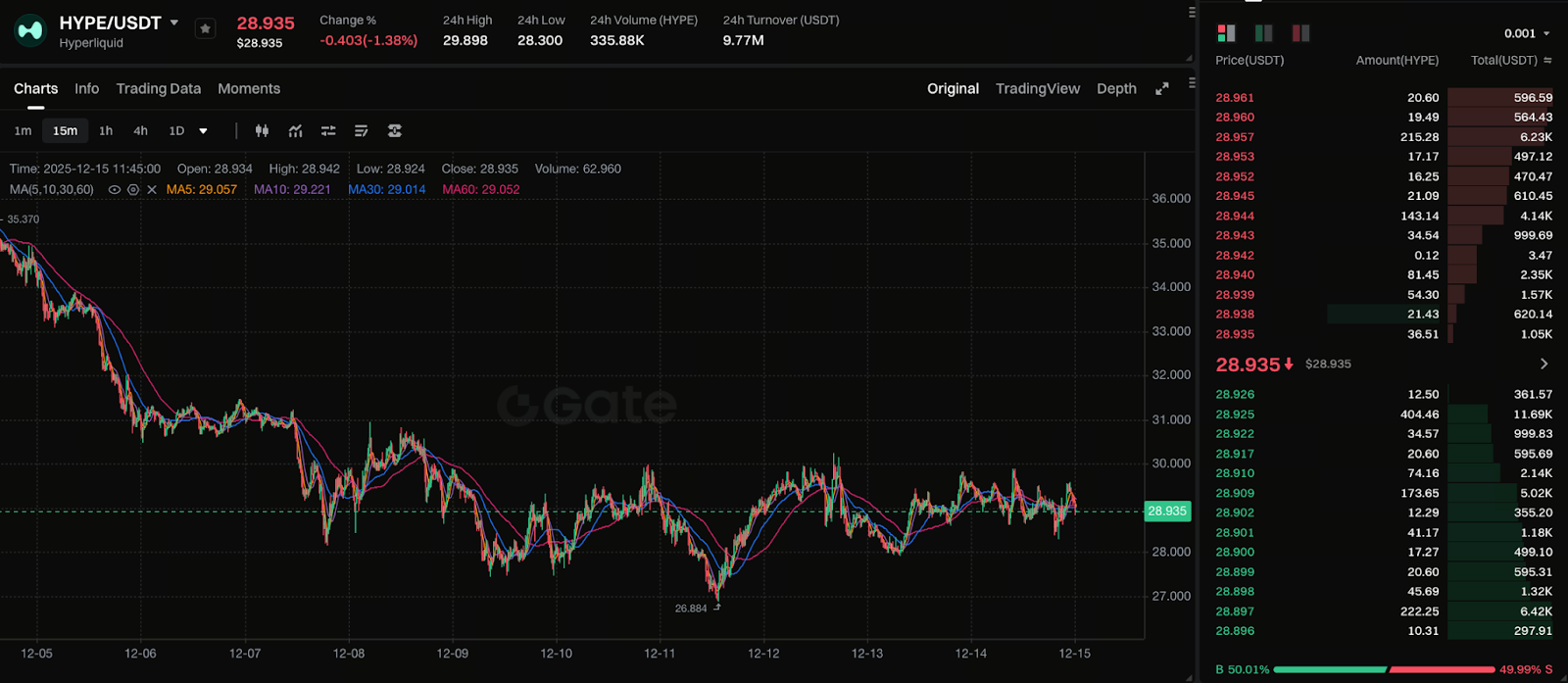

Chart: https://www.gate.com/trade/BTC_USDT

Recently, Bitcoin (BTC) saw a sharp pullback amid significant volatility across the global crypto market. The price quickly dropped below the crucial $90,000 psychological and technical support level, triggering a swift shift in market sentiment from caution to outright panic. According to the latest data, BTC briefly fell to around $88,000 before fluctuating within a high-volatility range.

This downturn results from a combination of macroeconomic factors, market structure, and capital flows—rather than a single cause.

Multiple Bearish Drivers: Core Reasons for Bitcoin’s Downward Pressure

Macroeconomic uncertainty has become a major headwind for risk assets. After the Federal Reserve released its latest policy signals, market expectations for the future economic outlook and monetary policy trajectory diverged, causing risk appetite to cool sharply.

High leverage across the crypto market further fueled the sell-off. When prices broke through key support levels, a wave of liquidations hit highly leveraged long positions, intensifying short-term selling pressure and accelerating the price decline.

$520M Liquidation Wave: Panic Selling Intensifies

Within 24 hours of Bitcoin’s steep drop, the crypto market saw more than $520 million in forced liquidations. Of this total, roughly $379 million came from long positions, highlighting the market’s previous overexposure to bullish bets.

Liquidation waves often fuel a self-reinforcing feedback loop:

  • Forced selling triggered by liquidations
  • Prices fall further
  • Additional positions are liquidated

This chain reaction not only increases volatility but also erodes market confidence, prompting some investors to proactively reduce their risk exposure.

Bearish On-Chain Data: Short-Term Downside Risk Persists

On-chain metrics also signal a bearish outlook. Sentiment indicators like the on-chain “Bull Score” have dropped to historical lows, reflecting continued market pessimism. At the same time, realized losses have yet to reach the levels typically seen during periods of “extreme panic,” suggesting, based on historical trends, that the true medium- to long-term buying window may not have fully materialized.

Additionally, the share of put positions in the BTC options market has increased, indicating that institutions and professional traders continue to hedge against further downside risk.

Federal Reserve Policy Impact: Risk Assets Under Pressure

From a broader macro perspective, recent statements from the Federal Reserve have deeply influenced market sentiment. While rates were nominally cut, the policy statement emphasized economic uncertainty, prompting investors to reassess the value of risk assets in their portfolios.

This shift in sentiment is evident not only in equities but also in the crypto market, as risk-off flows drive capital toward more defensive asset classes.

Key Support Levels and Investor Strategies

Amid heightened volatility, the market is focused on the following support zones:

  • Around $90,000: a major psychological and technical support level
  • Around $87,000: a lower support zone driven by sentiment and market structure

If BTC holds within these ranges, a short-term technical rebound remains possible. For investors with lower risk tolerance, reducing positions, managing leverage, and maintaining liquidity should remain top priorities. Long-term investors should monitor on-chain data, capital flows, and macroeconomic conditions to determine whether the market is approaching a more attractive entry point.

Conclusion: Short-Term Volatility Does Not Signal a Long-Term Trend Reversal

Overall, Bitcoin’s break below $90,000 reflects a phase of adjustment caused by macroeconomic headwinds and high leverage, not a fundamental rejection of its long-term value.

In a market defined by rising uncertainty, rationally managing volatility, prioritizing risk controls, and making decisions based on both on-chain and macro signals will prove more effective than simply betting on market direction.

Author: Max
Disclaimer
* The information is not intended to be and does not constitute financial advice or any other recommendation of any sort offered or endorsed by Gate.
* This article may not be reproduced, transmitted or copied without referencing Gate. Contravention is an infringement of Copyright Act and may be subject to legal action.

Related Articles

What is Fartcoin? All You Need to Know About FARTCOIN
Intermediate

What is Fartcoin? All You Need to Know About FARTCOIN

Fartcoin (FARTCOIN) is a representative meme coin within the Solana ecosystem based on an AI-driven narrative. Its core concept originated from an experiment aimed at exploring the "boundaries between AI Agents and humor." More than just a digital asset with social attributes, the project deeply couples absurd humor culture with on-chain financial logic by integrating autonomous AI interaction models.
2026-04-04 22:01:19
Gold Price Forecast for the Next Five Years: 2026–2030 Trend Outlook and Investment Implications, Could It Reach $6,000?
Beginner

Gold Price Forecast for the Next Five Years: 2026–2030 Trend Outlook and Investment Implications, Could It Reach $6,000?

Analyze current gold price trends alongside authoritative five-year forecasts, integrating an evaluation of market risks and opportunities. This gives investors insight into the potential trajectory of gold prices and the main drivers expected to shape the market over the next five years.
2026-03-25 18:13:30
Aster vs Hyperliquid: Which Perp DEX Will Prevail?
Beginner

Aster vs Hyperliquid: Which Perp DEX Will Prevail?

Aster and Hyperliquid are the two representative protocols of the "purpose-built L1 path" within the current decentralized perpetual exchange (Perp DEX) sector. As a pioneer in the field, Hyperliquid has built a deep liquidity moat through its highly mature order book architecture and strong community consensus. Conversely, Aster, as a rising challenger, seeks to leapfrog the competition in high-performance trading through more aggressive multi-chain aggregation logic, private transaction modules, and an underlying execution environment optimized for 2026 market demands.
2026-03-24 11:58:33
AI-Native Settlement Layers: How United Stables Is Building the Next Financial Rail
Beginner

AI-Native Settlement Layers: How United Stables Is Building the Next Financial Rail

Stablecoins were originally designed as dollar substitutes within exchanges, primarily used for asset pricing and trade settlement. As on-chain financial ecosystems have matured, their role has expanded beyond simple payments to include collateral assets, cross-chain liquidity mediums, and unified settlement units. In particular, as AI systems and automated agents begin to participate directly in economic activity, demand has risen sharply for programmable value units capable of instant settlement. This shift is pushing stablecoins toward the role of foundational financial infrastructure.
2026-03-25 03:16:17
ASTER Tokenomics: Buybacks, Burns, and Staking as the Value Foundation of ASTER in 2026
Beginner

ASTER Tokenomics: Buybacks, Burns, and Staking as the Value Foundation of ASTER in 2026

ASTER is the native equity and governance token of the Aster ecosystem, with its core value built upon a radical "Deflationary Engine." Beyond serving as a governance tool, ASTER integrates multiple utilities including staking rewards, trading fee discounts, and liquidity incentives. Through its deep integration with the upcoming dedicated Layer 1 mainnet, it enables direct value capture from protocol cash flow to token holders.
2026-03-25 07:38:07
2026 Silver Price Forecast: Bull Market Continuation or High-Level Pullback? In-Depth Analysis of Silver Candlestick Chart
Beginner

2026 Silver Price Forecast: Bull Market Continuation or High-Level Pullback? In-Depth Analysis of Silver Candlestick Chart

2026 Silver Price Forecast: Latest Outlook This article integrates current market trends, silver candlestick chart analysis, and momentum factors to assess the potential key support and resistance levels, upside targets, and pullback risks for silver prices. The goal is to help investors make informed, rational decisions.
2026-03-25 16:08:59